
03 March 2026
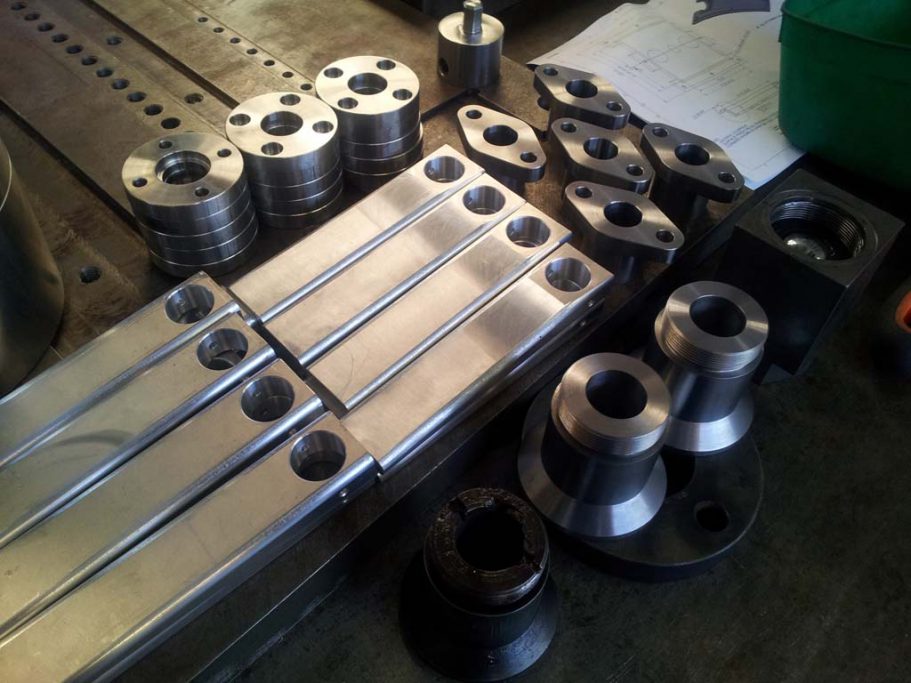
Support high-load equipment efficiency with wear-resistant industrial components from Amon Engineering in Melbourne, engineered for harsh conditions.
High-load industrial equipment operates in environments where abrasion, impact, and sustained mechanical stress are unavoidable. Wear-resistant industrial components are manufactured to maintain performance and dimensional stability under these demanding conditions. Material quality and machining precision directly influence equipment longevity, safety, and operating efficiency.
Performance Demands for Wear-Resistant Industrial Components
High-load industrial equipment operates under continuous mechanical stress, friction, and repeated impact. These conditions accelerate surface degradation and place sustained pressure on load-bearing components. Equipment reliability depends on components that can maintain structural stability under prolonged operational strain.
Research published in Materials Science and Technology shows that the microstructure and alloy composition of abrasion-resistant steels play a decisive role in wear performance. Material failure is often linked to insufficient resistance to abrasion, deformation, or fatigue rather than poor design. In high-wear sectors such as mining, manufacturing, and bulk material handling, specifying wear-resistant industrial components helps reduce premature failure and minimise unplanned downtime.
Material Selection for Long-Term Wear Resistance
Material selection determines how effectively industrial components withstand abrasion, impact, and surface fatigue. The correct material balances hardness, toughness, and machinability to suit the operating environment and load conditions.
The following material characteristics influence how components perform under sustained load, abrasion, and operational stress:
• Uniform Hardness Across Load Zones: Ensures consistent wear performance in components exposed to repeated sliding or contact forces.
• High Compressive Strength: Supports structural integrity in parts subjected to sustained or concentrated mechanical loads.
• Corrosion and Wear Compatibility: Allows reliable operation in environments involving moisture, chemicals, or airborne contaminants.
• Surface Durability with Internal Toughness: Maintains resistance to surface wear while absorbing shock and vibration.
• Application-Specific Wear Profiles: Matches material behaviour to liners, guides, and contact surfaces based on operational demands.
Machining Strategies That Preserve Wear Performance
At Amon Engineering, we apply precision machining processes that protect the engineered properties of wear-resistant industrial components throughout manufacturing. Our controlled machining methods maintain dimensional accuracy, surface integrity, and long-term material performance in demanding applications.
The machining approaches below help maintain material integrity while achieving consistent accuracy and surface quality:
• Controlled Thermal Exposure: Limits heat build-up during machining to prevent microstructural changes that reduce wear resistance.
• High-Precision CNC Machining: Delivers consistent tolerances and repeatability for complex, high-load component geometries.
• Application-Matched Cutting Tools: Reduce surface damage and tool wear when machining hardened or alloyed materials.
• Refined Grinding and Surface Finishing: Improves contact surfaces to reduce friction and slow wear progression during operation.
• Comprehensive Quality Verification: Confirms dimensional accuracy, surface finish, and performance suitability before installation.
Precision Manufacturing for Demanding Industrial Environments
At Amon Engineering, our Melbourne-based team manufactures wear-resistant industrial components through precision machining to support high-load applications. This approach reflects our careful material selection and machining choices that support consistent performance in high-load equipment.
For accurately manufactured components that support durability and performance, contact us to discuss your requirements.
Related Blog Articles:
CNC Turning Services for Complex Industrial Parts: Precision You Can Rely On
Precision Grinding Services for Mining, Oil & Gas, and Heavy Engineering Sectors
Roller Machining and Regrinding for Consistent Print Quality and Performance
CNC Milling in Melbourne: How to Improve Surface Finish and Tolerances
Optimized by www.NetwizardSEO.com.au